Registry enrolment — “residence” (residenza) — is the step that turns a legal stay into a full life in Italy. Without it, it is hard to choose a family doctor, enrol children in school, get an identity card and, one day, apply for citizenship, which requires years of continuous residence.
Documents
- A valid residence permit or renewal receipt.
- A valid passport.
- Tax code.
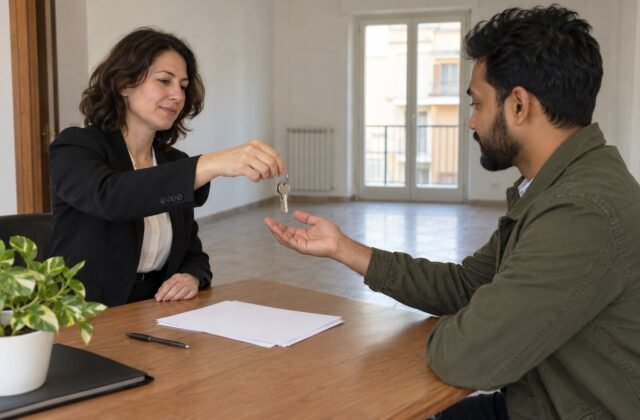
- Proof of accommodation: a registered rental contract, a hospitality declaration or a property deed.
- For family members, translated and legalised marriage and birth certificates.
How it works
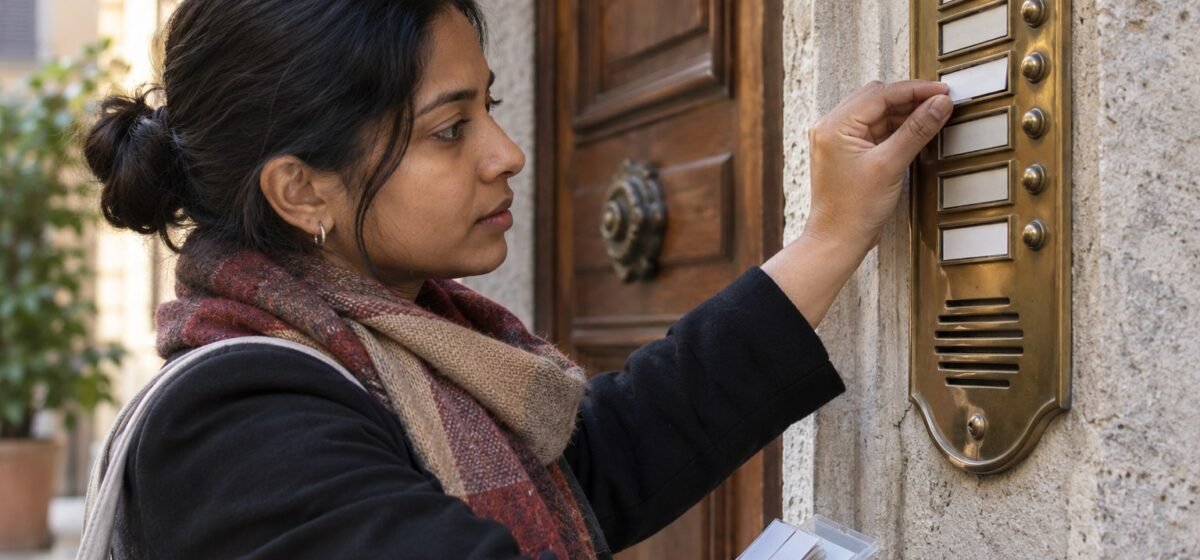
You submit the declaration to the municipality’s registry office (anagrafe) in person, by certified email (PEC) or, in many municipalities, online. After checking the documents, the local police verify that you really live at the address: so your name must be on the doorbell or letterbox. The procedure usually ends within about 45 days, after which you can request a residence certificate.
Remember
- After every permit renewal, inform the registry office: if you don’t, you risk being removed from the register.
- If you move, declare your new address straight away.
- Periods without residence “break” the count of years for citizenship, including for children born in Italy.