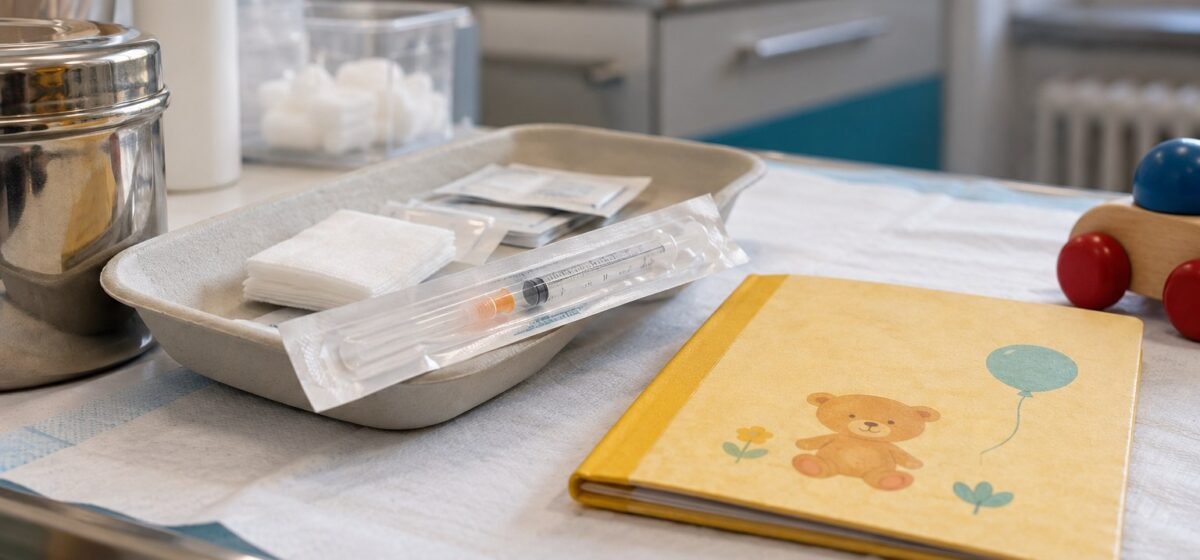
In Italy, ten vaccinations are compulsory and free for children and teenagers aged 0 to 16, under Law 119 of 2017. The rules apply to every minor living in Italy, including foreign children and those who have just arrived through family reunification.
The ten vaccines
- polio, diphtheria, tetanus, hepatitis B, whooping cough and Haemophilus influenzae type b (usually in a single “hexavalent” injection);
- measles, mumps, rubella and chickenpox.
Local health authorities also recommend and offer other vaccines free of charge, such as those against pneumococcus, meningococcus and rotavirus.
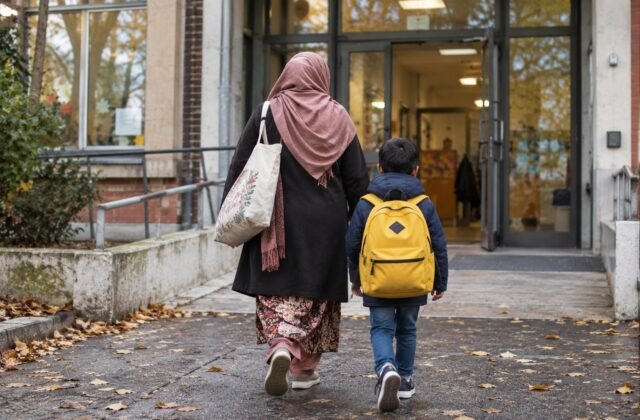
Nursery and school
- For nursery and pre-school (ages 0–6), being up to date with vaccinations is a condition of access: without it the child cannot attend.
- From primary school onwards (ages 6–16) the child can still attend, but parents who don’t comply risk a fine.
Children arriving from Bangladesh
Bring the vaccination record from Bangladesh to the ASL vaccination centre, translated if possible. Doctors check which doses are valid and complete the schedule with the missing ones. If there is no record, a “catch-up” schedule can be started.
How to book
The ASL usually sends an invitation after birth or after registration with the health service. If it doesn’t arrive, call the vaccination centre or ask your paediatrician. The service is free and a residence permit is not needed to vaccinate a child.