Key points
- The Associated Press called Michigan’s Senate race for Abdul El-Sayed.
- He will be the first Muslim to serve in the United States Senate.
- The seat stays with the Democrats after Gary Peters decided not to seek re-election.
- The result becomes official with the state’s certification. The election calendar requires the Board of State Canvassers to meet by 23 November to review the results.
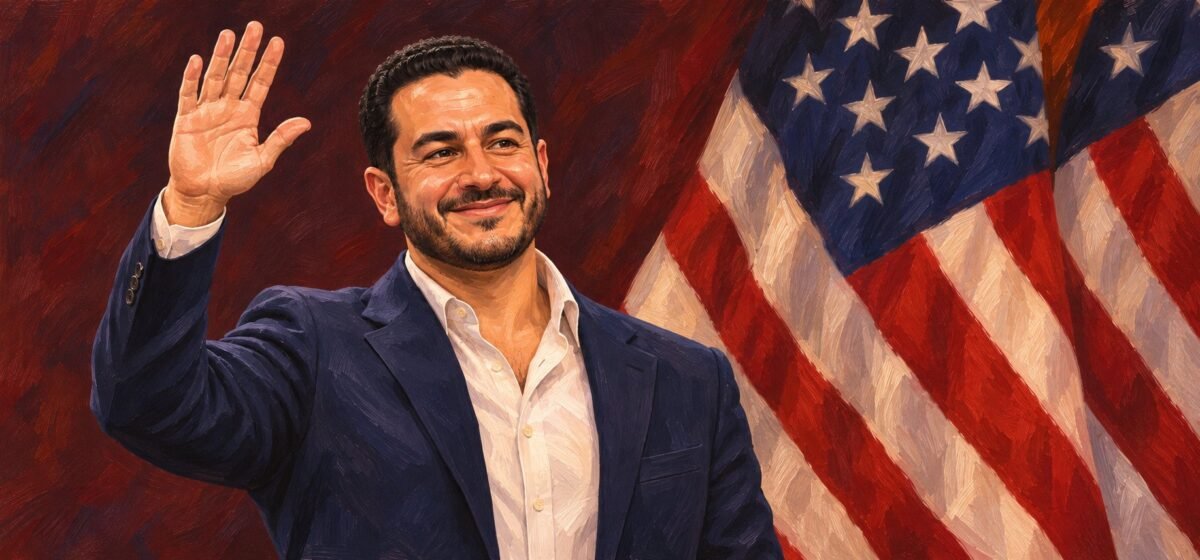
Democrat Abdul El-Sayed has won Michigan’s election for the US Senate, defeating Republican Mike Rogers. The Associated Press and the main US networks called the race overnight between Tuesday 3 and Wednesday 4 November. El-Sayed will be the first Muslim to sit in the US Senate. Senator Gary Peters had decided not to seek re-election, and El-Sayed’s victory keeps his seat in Democratic hands.
The son of Egyptian immigrants, El-Sayed, 42, had never held elected office. In 2018 he ran in the Democratic primary for governor of Michigan, finishing second to Gretchen Whitmer.
From public health to politics
Raised in the Detroit area, he graduated from the University of Michigan, earned a doctorate in public health at Oxford as a Rhodes Scholar and a medical degree from Columbia University. From 2015 to 2017 he led Detroit’s health department, helping rebuild it after the city’s bankruptcy. He later led Wayne County’s Department of Health, Human and Veterans Services.
What he campaigned on
El-Sayed campaigned for publicly funded healthcare accessible to everyone through the Medicare for All plan, for reducing the influence of major donors in politics and for tackling the rising cost of living. He was backed by figures from the party’s progressive wing, including Senator Bernie Sanders and Representative Alexandria Ocasio-Cortez.
His criticism of the Israeli government’s policies divided Democrats. During the August primary, in which he defeated Representative Haley Stevens, AIPAC and its affiliated groups spent substantial sums supporting Stevens and opposing El-Sayed. Two days before the general election, Stevens endorsed Republican Mike Rogers. According to the Associated Press, the campaign also featured allegations, unsupported by evidence, through which Trump and other Republicans sought to link El-Sayed to terrorist organisations and questioned his loyalty to the United States.
Why Michigan mattered
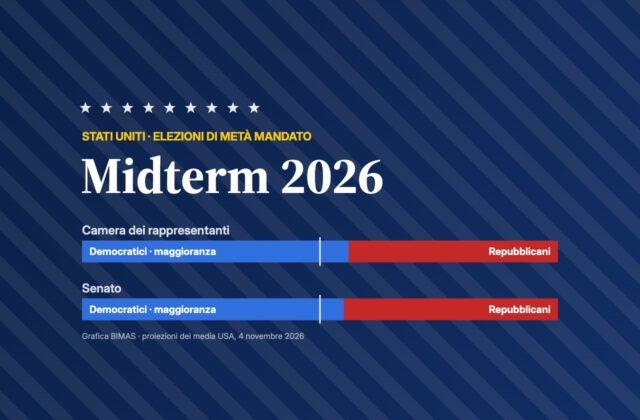
Michigan is one of the most closely divided states in the country, and the race was watched as a test: can an openly progressive candidate win statewide? Rogers, a former Republican congressman, had narrowly lost the 2024 Senate race and was trying again. For the Democrats, it was about defending a seat they have held since 1979. According to US network projections, on the same night the Democrats also won a majority in the Senate.
A milestone for representation
In his victory speech in Detroit in the early hours of Wednesday 4 November, El-Sayed thanked voters. Addressing his opponent, he said: “You chose hate. Michigan chose hope.” His Senate term will begin on 3 January 2027, when the new Congress begins its term.
When the result becomes official
A media race call is separate from the official certification of the result. Michigan’s election calendar sets 17 November as the deadline for county canvassing boards to complete their reviews and 23 November as the deadline for the Board of State Canvassers to meet to review the general election results. Vote totals published before certification should therefore be described as provisional, rather than final official results.