
Updated 5 November 2026
Key points
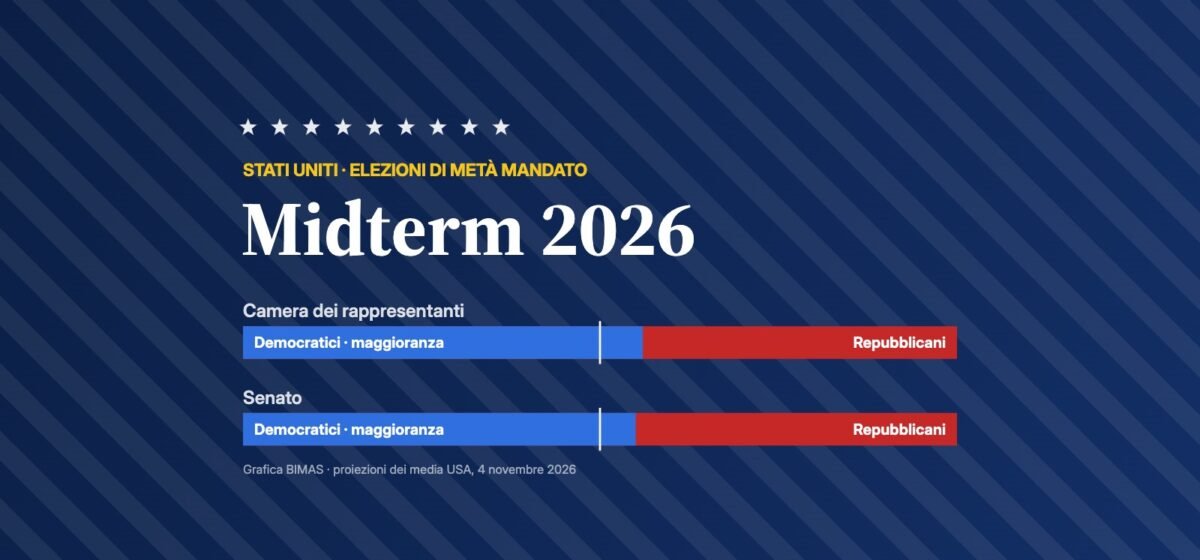
- According to US media projections, the Democrats have passed the 218 seats needed in the House and hold a majority in the Senate.
- In the Senate they took seats from the Republicans in states such as Texas, Ohio, Iowa, Kansas and South Carolina.
- Donald Trump remains president until January 2029 and keeps his veto power.
- The new Congress takes office on 3 January 2027.
In the midterm elections on 3 November the Democratic Party won a majority in both the House of Representatives and the Senate, according to projections by the main US media. All 435 House seats, 35 of the 100 Senate seats and the governorships of 36 states were on the ballot. Counting is still under way in some districts, so the exact number of seats may change in the coming days.
As of the reports checked on 5 November, the Democratic caucus had secured 54 Senate seats, including two independents who caucus with the Democrats, compared with 44 for Republicans. Two Senate races remained uncalled. These figures reflect reported election outcomes, not final certified results.
The most significant results
The most closely watched race was in Texas, where Democrat James Talarico beat Republican Ken Paxton: no Democrat had won a Senate seat there since 1988. In Kansas, Adam Hamilton is the first Democrat elected to the Senate since 1932. In Georgia, Jon Ossoff kept his seat, and in Michigan Abdul El-Sayed will become the first Muslim to sit in the US Senate (read our article).
The Senate races in Alaska and Mississippi remained uncalled in the latest reports checked on 5 November. Counting continues, and no winner had been declared in either contest in those reports.
Trump’s reaction
President Donald Trump told The New York Times he was “absolutely willing to accept the results” and ready to work with the Democrats. On social media he wrote that the Republicans would have won if his name had been on the ballot, and posted an image of a cap reading “Veto”. According to press reports, he blamed part of the defeat on the war with Iran and the rising price of fuel.
What changes now
Trump stays in the White House until January 2029, but from 3 January 2027 he will face a Congress led by the opposition. A bill must pass both chambers of Congress before being presented to the president. It normally becomes law with the president’s signature, but Congress can override a veto with a two-thirds vote in each chamber. In certain circumstances, a bill can also become law without the president’s signature.
The House will be able to open investigations into the administration and summon officials, while the Senate will vote on the president’s nominations, including federal judges. Democratic leader Hakeem Jeffries could become the first Black Speaker of the House.
Democrats have outlined priorities focused on living costs, healthcare and greater scrutiny of the Trump administration. Meanwhile, the Associated Press reports, citing two people familiar with the decision, that Mike Johnson will not seek another term as House Republican leader.
What it means for immigrant communities
The campaign was fought mainly over the cost of living, fuel prices and the war with Iran. The election result itself does not automatically change anyone’s visa or immigration status. The incoming Congress begins its term on 3 January 2027. From then, changes to immigration legislation would generally require cooperation between Congress and the president, unless Congress can override a veto.
Immigration policy can also be affected by regulations and executive action within existing law, so readers should continue checking official guidance for their individual circumstances. Congress also controls federal funding, including funding for border enforcement.
In the coming days
Counting continues in the slower states, and the results become official only after each state certifies them. BIMAS will soon publish a feature on the candidates of immigrant origin, including those of Bangladeshi origin, who won in these elections.